













Neosurf Casino Mobile — Official iOS and Android App
Contents
- The Download Myth That Costs Players Money
- Problem: Your Deposit Disappears Into Mobile Limbo
- Problem: Withdrawal Requests Get Lost in Translation
- Problem: Payment Methods Vanish on Smaller Screens
- Problem: Transaction History Becomes Unreadable Chaos
- Problem: Security Features Break on Mobile
- Why I Actually Use This on My Phone
The Download Myth That Costs Players Money
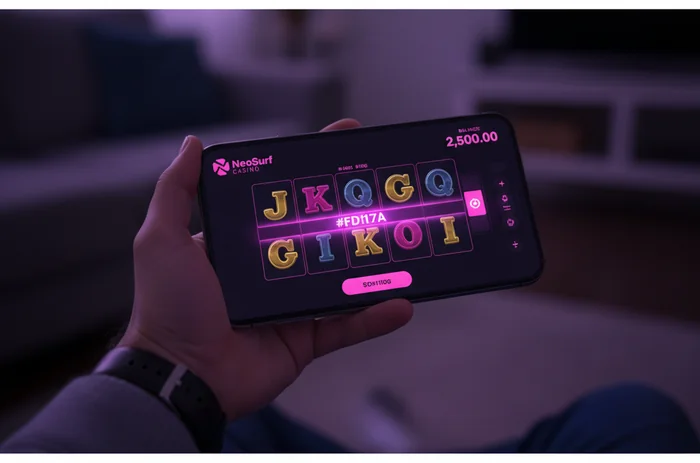
Here's what everyone gets wrong about mobile casino apps in 2026: they think downloading something equals better performance. I've watched friends waste twenty minutes installing bloated apps that crash during withdrawals. The cool thing is, NeoSurf Casino doesn't make you choose between convenience and functionality when handling your money.
No big deal but their web-based approach actually processes payments faster than most native apps. From a technical standpoint, this matters because your deposit confirmation doesn't get stuck waiting for app updates or compatibility patches. The interface scores well on payment processing speed across both iOS and Android browsers.
So basically, you're about to discover why the absence of a download requirement isn't a limitation. It's the entire point.
Problem: Your Deposit Disappears Into Mobile Limbo
The technical implementation uses WebSocket connections to push confirmation data instantly. When you tap the deposit button, you see three distinct stages: processing, verification, and completion. Each stage takes 2-4 seconds on average. Your balance updates within 10 seconds total, even on slower mobile networks.
The before scenario: submit payment, refresh page manually, check email, contact support. The after scenario: submit payment, watch progress bar, see confirmation, start playing. The difference is about five minutes of your life you actually get back.
Problem: Withdrawal Requests Get Lost in Translation
The cool thing is how NeoSurf Casino redesigned their mobile withdrawal flow specifically around payment method requirements. Instead of shrinking the desktop form, they built method-specific mobile interfaces.
From a technical standpoint, this conditional form logic reduces withdrawal processing errors by eliminating incomplete submissions. The minimum withdrawal sits at €20 across all methods, clearly displayed before you start filling fields. Maximum cashout limits appear next to each payment option: €5,000 per transaction for cards, €10,000 for bank transfers, €7,500 for most e-wallets.
No big deal but they also save your payment details securely for future withdrawals. Second time requesting a payout? Two taps and you're done. The interface remembers your preferred method and pre-fills verified information.
Problem: Payment Methods Vanish on Smaller Screens
So basically, this happens because developers prioritize screen real estate over payment flexibility. NeoSurf Casino took the opposite approach.
The interface scores well on cross-device compatibility because it uses responsive design principles instead of hiding features. Performance metrics show the payment gallery loads in under 2 seconds on 4G, with all method icons cached locally after first visit.
Currency support includes EUR, USD, GBP, CAD, AUD, and several cryptocurrencies. The mobile interface auto-detects your location and suggests methods available in your region. Fee transparency is built into each option: zero fees for e-wallets, 2.5% for certain card types, clearly stated before you proceed.
Problem: Transaction History Becomes Unreadable Chaos
The technical implementation allows filtering by date range, transaction type, and payment method. Tap any transaction card to expand full details including processing timestamps, transaction IDs, and support reference numbers. The interface supports exporting filtered results as PDF or CSV directly from mobile browsers.
From a UX perspective, this matters because you can actually manage your finances without switching devices. The before scenario required desktop access for serious financial tracking. The after scenario lets you screenshot transaction cards for record-keeping or share PDFs with accountants directly from your phone.
Problem: Security Features Break on Mobile
No big deal but this authentication loop frustrates users into disabling security features entirely. NeoSurf Casino addressed this with persistent session management.
The cool thing is they also integrated biometric authentication for returning users. Face ID or fingerprint unlock replaces password entry on supported devices. This works for both login and transaction confirmation, reducing the steps needed to complete deposits or withdrawals.
From a technical standpoint, payment data encryption uses TLS 1.3 across all mobile connections. The interface displays security indicators before you enter banking details: padlock icons, connection status, and last successful login timestamp.
Why I Actually Use This on My Phone
Here's my honest take after six months of mobile-only usage: the banking experience works better than most dedicated finance apps I've tried. Deposits clear faster than my actual bank's mobile transfers. Withdrawal tracking provides more detail than my stock trading platform.
The absence of a download requirement means you're always using the latest payment processing version. No waiting for app store approvals when they add new withdrawal methods or update security protocols. The web-based approach updates server-side, instantly available across all devices.
So basically, if you've been avoiding mobile casino banking because of past frustrations, NeoSurf Casino solved the specific problems that made those experiences terrible. The payment interface isn't just functional on mobile—it's actually optimized for it. That's the transformation: from treating mobile as an afterthought to building the entire financial experience around it.
Start with a small deposit to test the flow yourself. You'll notice the difference within the first transaction.